




My first job in a Tokyo kitchen wasn’t cutting fish. It was washing. For almost a year, I washed rice until the water ran clear. I soaked and drained the greens. I rinsed strawberries one tray at a time, gently, so not a single berry bruised. My teacher called it shitagoshirae: the preparation that happens before any cooking. Get it wrong, he said, and nothing you do afterward will fix the taste. Twenty years later, I run a 12-seat counter restaurant in Seattle. And I still think about that lesson every time someone asks me the same question. “Chef, why do your strawberries taste so much better than mine? I bought the exact same ones.” They’re usually right. Same farm, same store, same week. On my counter the berries taste bright and sweet. At home, they taste flat, with a slightly waxy feel on the tongue. It’s not a secret ingredient. It’s what happens before the fruit is served. When I first moved to the U.S., I went to a friend’s barbecue. Someone opened a bag of grapes from the store and passed it around. People ate them straight from the bag. Nobody rinsed them. Not even for a few seconds. I didn’t say anything. But I thought: you are tasting the bag, the store, the truck and the packing house. You are not tasting the grape. Since then, I’ve noticed that most home cooks fall into one of two camps. Some don’t wash fruit at all. The careful ones give it a quick splash under the tap. In a professional kitchen, neither would pass. I’m a cook, not a scientist, so I’ll be honest about what I know and what I only taste. What I know: by the time fruit reaches your kitchen, it has picked up a lot on its way. Dust and grime from handling and transport. Surface residue from farming. And on many apples, citrus and cucumbers, a thin coat of food-grade wax that’s added to keep them shiny and stop them drying out. The wax is considered safe to eat. I just don’t want it to be the first thing my guest tastes. What I taste: when that layer is still there, fruit tastes dull. The skin feels slick. The sweetness seems further away. When it’s properly washed, the fruit tastes like itself again. That’s my palate talking, not a lab test, but every chef I know would say the same. One of my regulars, a mother of three who eats at my counter every Friday, brought me PuriEasy in a paper bag. “You keep telling me to wash my fruit properly,” she said. “Is this good enough for you?” I expected a toy. It’s a small, cordless pod you drop into a bowl of water with your produce. I tested it the way I test anything new in my kitchen: on strawberries, the fruit that bruises if you look at it wrong. Here’s how it works: A small electrical current passes through the water, creating charged particles that are designed to help break down and lift residue that clings to produce skin. At the same time, a built-in vortex keeps the water moving, carrying the cleaning action across the fruit and into the places my hands can’t reach without crushing anything: the dimples of a strawberry, the stems of a grape cluster. It is very close to what my prep cooks do by hand: a soak with gentle movement. No soap. No vinegar smell. No scrubbing. One button. The berries came out whole, not a single one bruised. After a rinse and a dry, I tasted one. It tasted like a strawberry should. Here’s what’s happening in that bowl while you wait: Goes beyond a quick rinse — designed to help remove surface residue, wax and grime Active water circulation — for broader, more even cleaning coverage Nothing added to your food — no soap, sprays, vinegar or refills, so nothing to taste Gentle on delicate fruit — no hand scrubbing, no bruised berries 5-minute cycle — runs while you unpack groceries IPX7 waterproof — fully submersible Cordless and rechargeable — no cable near the sink One button — no settings, no learning curve ⭐⭐⭐⭐⭐ To keep costs as low as possible, the PuriEasy team deliberately avoids retail channels. No middlemen, no store markups, no distributor fees. Just a simple produce-cleaning device shipped directly to your door. The idea behind PuriEasy is simple: a professional kitchen gives fruit a proper soak, and most home kitchens don’t have the time. PuriEasy makes that step as easy as pressing a button. Why you should act today: PuriEasy is designed to be used every week, not to sit in a cabinet. It’s cordless, fully waterproof and recharges between uses, so there’s no cable near the sink and nothing to refill. My teacher in Tokyo would not have trusted a gadget. But he would have approved of the habit it builds: every piece of fruit properly washed before it reaches the table. For anyone who loves good food, it turns “I should wash this properly” into a 5-minute habit. *As of — PuriEasy is currently available with exclusive savings for readers of this article on the official website, backed by a 30-day money-back guarantee. [1] U.S. Food and Drug Administration, “7 Tips for Cleaning Fruits, Vegetables”
The Day I Watched a Customer Eat Grapes From the Bag
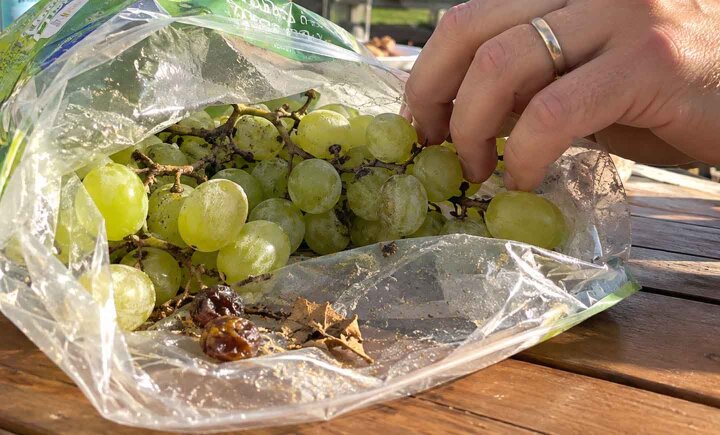
What Sits Between Your Tongue and the Fruit
The Little Pod a Regular Brought Me
What it does How 🫧 Activates the water A small electrical current creates charged particles designed to help break down residue clinging to produce skin 🌀 Keeps the water moving The rotating flow carries the cleaning action across more of the fruit’s surface and into crevices 🍓 Gentle on delicate fruit Berries, grapes and cherry tomatoes are cleaned without being squashed, so the texture stays intact ✨ Nothing added No soap, sprays or vinegar, so nothing changes the taste of your fruit What You Get With Every Use
What Home Cooks Are Saying
“I tried washing fruit with vinegar before, but I never liked the smell or the extra step of rinsing everything again. I wanted something simpler. PuriEasy is easy to use, doesn’t need any additives, and fits right into my kitchen routine.”
— Rachel B., Charlotte, NC
⭐⭐⭐⭐⭐
“I’ll be honest — I was skeptical. Then I did a side-by-side test: same strawberries, same bowl, with and without the device. The water in the device bowl was grey. The plain water bowl was still clear. That was enough for me. It’s been on my counter for four months.”
— Sarah K., Chicago IL
⭐⭐⭐⭐⭐
“We go through so much fruit in our house — strawberries, grapes, blueberries, you name it. I wanted a way to make washing it less of a chore. This is simple enough to use every day, and I especially like not having to handle every little berry individually.”
— Michelle D., Columbus, OHWhere Can I Buy The Original PuriEasy?
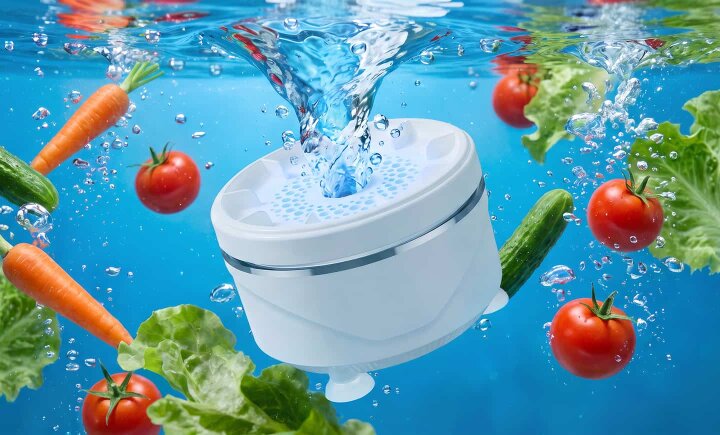
Restaurant Habits, Home Kitchen
Sources
[2] American Chemical Society, “Baking soda washes pesticides” (study led by Lili He, University of Massachusetts Amherst, 2017)
Customer Ratings
Average based on 1,527 reviews
 Excellent


Started using PuriEasy three weeks ago. Filled the bowl with water, ran it over some grapes, and the water turned grey within two minutes. I've been rinsing fruit my whole life thinking it was clean. Never again.